
Tea is not only something we consume—it has also become a part of culture. Both globally and in Indonesia, drinking tea is a tradition that blends into daily life, whether in traditional or modern settings. Indonesia is known as one of the world’s top tea-producing countries. Indonesia ranks in the top 10, after China, India, and Sri Lanka. Tea has a long history in Indonesia and remains an important part of the nation’s culture today. Over time, it has also become one of Indonesia’s valuable export commodities.
Becoming a Part of Indonesian Culture
Tea was first introduced to Indonesia around the time the Dutch East India Company (VOC) arrived, around the year 1636. At that time, tea was already very popular in China, and the Dutch tried to grow tea from Japanese seeds in several regions of Indonesia. Unfortunately, the efforts failed because the soil conditions in the archipelago were not suitable.
Eventually, a type of tea that suited Indonesia’s climate was found—Camellia sinensis var. assamica, a tea variety from Northern India. This type of tea, known as black tea, underwent oxidation during processing, turning the leaves dark. It quickly became a valuable commodity and was exported in large amounts.
Over time, tea drinking slowly became part of daily life in Indonesia—especially on the island of Java—due to Chinese cultural influence. Around the 17th century, interactions between local communities and Chinese traders are believed to have introduced the habit of tea drinking among the Javanese. Over time, people began to consume other types of tea, not just black tea, but also green tea and jasmine tea. Jasmine tea, made by blending tea leaves with jasmine flower buds, became popular among Indonesians for its pleasant fragrance.
The way tea was enjoyed also began to change. Adding sugar to tea helped make it even more popular. The growth of sugar plantations, followed by the building of sugar factories, played a major role in shaping Indonesia’s sweet tea culture. During the Dutch colonial period, the government expanded not only tea plantations but also sugarcane farms. West Java, Central Java, East Java, and Yogyakarta became centers for both.
Since then, sweet tea has remained a common drink and is deeply rooted in daily life. It is often served with meals, whether brewed from loose leaves or sold in bottled or packaged forms, widely available at street stalls, shops, and minimarkets.
Good for Health
Tea is not only enjoyed as a casual drink, but many studies have also shown its health benefits. One of the most well-known is its richness in antioxidants. Green and black teas, in particular, contain flavonoids and catechins, which are powerful antioxidants that help fight free radicals and reduce cell damage. These antioxidants also support important enzymes like superoxide dismutase and catalase, which help protect DNA and lipids from oxidation.
Regular tea consumption has also been linked to a lower risk of heart disease, including heart attacks and strokes, according to several studies and reviews.
In addition, green tea is known to support brain health and protect cognitive function. Its catechins have anti-inflammatory properties that may help reduce the buildup of proteins related to Alzheimer’s disease. Green tea may also boost metabolism and support fat burning through thermogenesis, or heat production.
Tea is also beneficial for digestive health. It supports good bacteria in the gut, helps reduce inflammation, and strengthens the gut lining. Herbal teas, in particular, are often used to soothe digestion, reduce bloating, and relieve symptoms of colds.
Sehati Tea: Promoting the Goodness of Tea
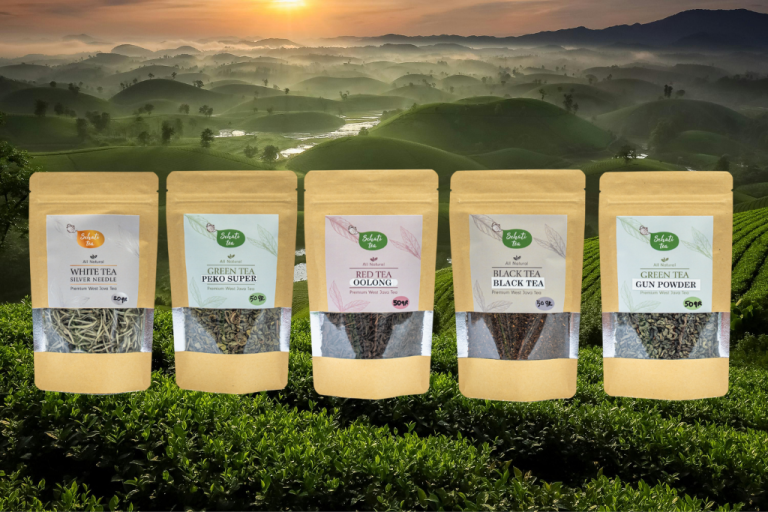
Supporting both culture and a healthy lifestyle, Sehati Tea offers a special selection of tea leaves for people to enjoy the natural benefits of tea. Sourced from a tea plantation in Ciwidey, West Java, every pack of Sehati Tea is handpicked and carefully processed. This plantation was chosen because it follows sustainable practices and meets global standards. With decades of experience, the plantation combines modern techniques with a strong commitment to quality, making it the perfect partner for Sehati Tea. The cool climate and fertile volcanic soil of the region also help produce premium tea that reflects Indonesia’s rich heritage.
In line with its values, Sehati Tea supports sustainability in every step of its production. This includes involving local farmers, and helping to support their livelihoods by sourcing tea directly from the plantation.
To celebrate the goodness of tea, Sehati Tea offers six variants in four categories: green tea, black tea, specialty tea, and Japanese tea.
- In the green tea category, Gunpowder Tea has a fresh, slightly sweet, umami, and bitter taste, while Pekoe Super Tea brings a floral, delicate flavor with a gentle hint of bitterness.
- The black tea variant delivers a fruity flavor with mild astringency, especially noticeable after steeping in hot water.
- The specialty tea category features Red Oolong, known for its floral and fruity aroma, with a taste that combines nutty and slightly astringent notes.
Lastly, Japanese teas include Bancha, which has a hearty, nutty flavor with low astringency and umami, and Sencha, which offers a bright, fresh, and delicate taste with a balance of umami and light astringency.