
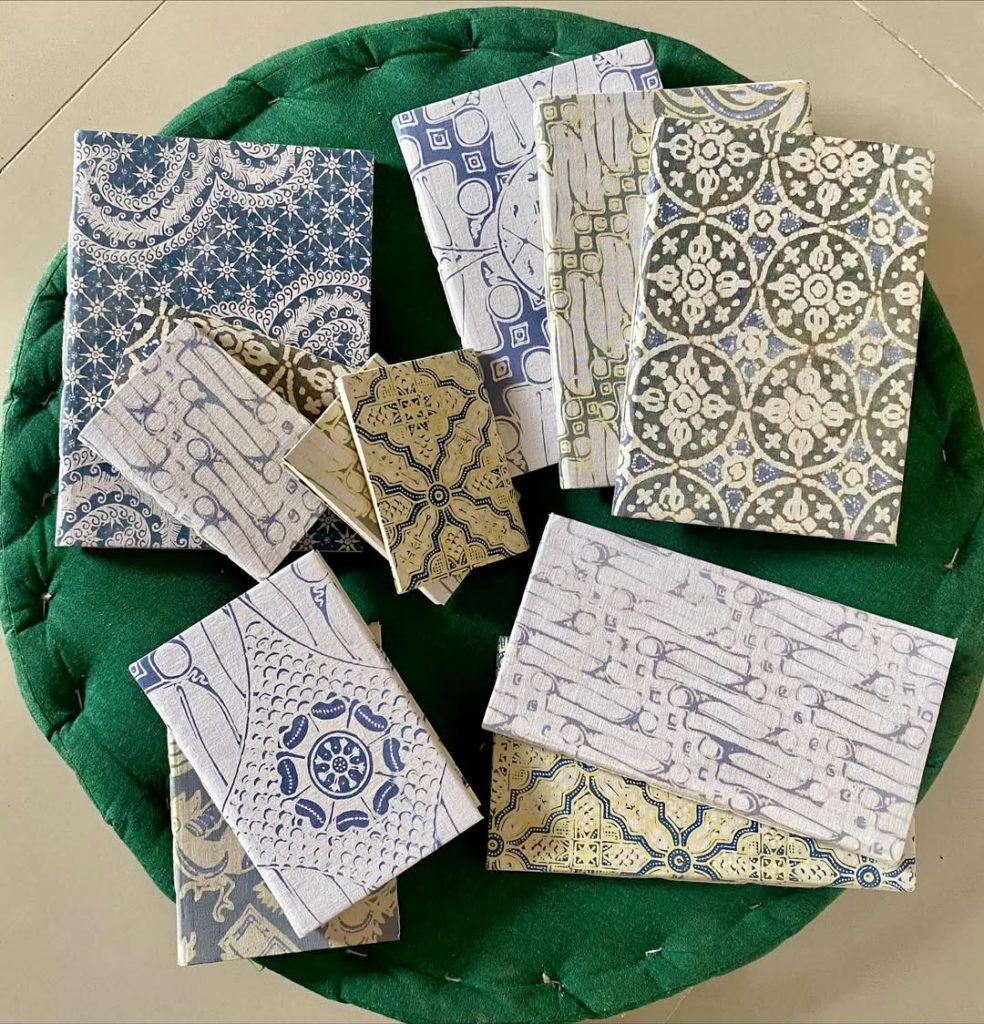
Cloth has long been a part of Indonesia’s cultural identity. From batik, ikat, tenun, to other types of traditional fabric, it reflects the beauty and diversity of the archipelago’s culture. Even though today cloth is not used as often as it was in the past, the meaning behind every stitch still lives on. Through traditional Indonesian fabric, we can learn so much about the richness of the culture.
A deep love for traditional cloth—especially ethnic fabric, batik, and tenun—is the main reason Ani, the founder of Sembuja, created a brand that aims to save the “life” of fabric that would otherwise be thrown away. Inspired by the word “Sembuja,” which comes from the Javanese name for the frangipani flower, the founder began her mission to protect and honor Indonesia’s cultural products sustainably. She applies regenerative design principles to create eco-friendly products. From materials, sourcing, and production to packaging and shipping, everything is designed to reduce environmental harm. Recycled. Upcycled. Biodegradable. Handmade. These four values are embedded in every product. Each item from Sembuja also carries a message to respect culture as a whole: its people, techniques, values, functions, and beauty.
Sembuja also hopes to offer eco-conscious designs and products for the public—without losing their value, usefulness, or beauty. Instead, these products are made to help consumers grow their awareness and appreciation for meaningful, culturally rooted products.
Philosophy Behind Sembuja
Sembuja was born out of concern for how people consume and produce. Every design and product goes through an impact-assessment process. All Sembuja items are handmade, meaning they are created without machines, fuel, or pollution, thus resulting in very low emissions.
All products are upcycled or recycled, using mostly existing materials. As much as possible, Sembuja avoids using anything new, aiming to give new life to materials that are no longer used—even ones that were close to being thrown away.
Every product is also designed to be biodegradable, so it won’t become trash or pollute the earth after use. Each product is valuable, meaningful, useful, and beautiful—made, used, and cared for with love, for a better life.
The Creative Process and Production
The creative process at Sembuja involves skilled people in different fields. Some focus on bookbinding, others on bookmaking, and others on sewing. Many of them have worked with Sembuja for about eight years. This long relationship proves not only the quality of their work but also their loyalty and shared commitment to protecting culture and nature.
Ani is also deeply involved. She carefully chooses the materials, creates the designs, and often experiments with new ideas and products. She plays an important role in research and development, always working to improve, adjust, and evolve the collection.
One example is a new product now in development: handkerchiefs made from batik. These products follow the same values and principles. Each one is hand-painted with an ethnic touch. Ani chose the handkerchief as a way to reduce the use of tissues—it can be washed and reused, and at the same time, spreads a message of eco-conscious living. It is also meant to celebrate culture, serving as both a useful item and a beautiful keepsake.
Another product is a bag made from jarik, a traditional Javanese batik cloth known for its detailed patterns and deep cultural meaning. Sembuja specifically uses Tapih Lurik, a kind of jarik traditionally worn by village women. This fabric is chosen to give new life to old materials. Each jarik also carries and introduces the beauty of Javanese culture.
Materials Behind Sembuja
Every Sembuja product is made with care to avoid harming the environment. For example, when producing journals, Sembuja uses secondhand batik fabric and creates recycled paper from leftover scraps. Production only happens twice a month to avoid mass production, which often leads to high carbon emissions.
Even with limited production, every material, process, and product goes through strict quality control to ensure customers receive the best results. The glue and thread used in the books are also eco-friendly, made from non-toxic, oil-based paper glue.
The covers of the journals, bookmarks, and cards use old or secondhand fabric. It is often from materials that were nearly discarded. Sembuja uses batik cloth from jarik, sarongs, shawls, and baby wraps. No plastic is used in any part of the packaging. All items are sold without packaging unless the customer requests it. In that case, paper envelopes are provided.
Sembuja is also working on alternative packaging using cloth or cardboard. The development team is exploring reused materials for this purpose. All branding is done manually, not using machines or printers. Sembuja typically uses stamps or block printing. Interestingly, the team is also working on label designs without lamination. So, they only use stamps or screen printing.
The Influence of Batik
Batik is the soul of Sembuja. It’s not just an inspiration but also a way to inspire others. Ani shares that batik has always been a big part of her life. Her mother, grandmother, and other older relatives wore batik and kebaya (traditional Indonesian blouse) every day.
She remembers visiting batik shops in Yogyakarta with her mother. Many of which were owned by relatives in Malioboro. Ani observed how her mother chose each piece of batik carefully, studying the pattern, color, and meaning.
Through those moments, Ani grew up with batik, watching how it was washed, folded, stored, and worn with care. Her mother wore batik proudly during special occasions. Even now, Ani lives closely with batik and still enjoys its familiar scent.
But her love isn’t just for batik. She has a deep appreciation for ethnic fabrics in general. Before she began working with batik products, Ani had already collected many woven fabrics and ikat from across Indonesia and other countries like those in Asia, Africa, and the Americas.
For Ani, cloth reflects the spirit and progress of a culture. Caring for cloth means caring for culture. It is a way to respect ancestors and preserve their meaningful and beautiful craftsmanship.
“My work allows me to travel and see the richness of nature and culture. In many traditional communities, fabric—especially woven cloth—is a part of daily life. It’s used not just for clothing, but also for trade and identity. Every piece has its own story, told through its color, shape, and design. Cloth is a cultural object that holds deep meaning. It can even start conversations—between the makers, and with people from other cultures.”
Stationery and Journaling
Choosing to sell products like journals, bookmarks, and greeting cards may seem unrelated to fabric, but these items actually carry deep meaning. While fashion products are still part of Sembuja’s collection, these smaller items made from leftover batik and other fabrics have a strong personal and cultural value.
Ani has loved journaling, reading, doodling, painting, and crafting since childhood. Her family helped build these habits. As the youngest child with two older sisters and parents who read and wrote daily, she grew up around journals, diaries, and notebooks. She received her first diary at age 7 as a birthday gift, and from then on, she never stopped writing. Journaling later became a powerful tool to help her through daily life.
Her love of books also came from her extended family, who worked to build a family library. Inspired by this, Ani even opened a small library for her school friends and neighbors. Her family read newspapers every day, which led her and her siblings to subscribe to magazines and borrow many types of books. She also earned money writing short stories and essays during her teenage years.
So, it’s not surprising that today, Ani brings that experience into Sembuja’s products. She wants to offer items that feel personal—things she uses and believes in. Journaling, in particular, helps her build self-awareness and personal growth. When done together, journaling can also grow collective awareness.
As for bookmarks, they’re tied to her love of reading. They’re not just for her own use, but also help make use of small leftover fabric pieces. That way, she can also share the beauty of Indonesian cloth with more people in a practical way.
Lastly, there are greeting cards. Ani enjoys sending cards and postcards to friends and family, but this product has a bigger mission. Producing batik cards helps her share and preserve Indonesian culture. People who buy Sembuja cards don’t just use them for writing messages, but also as souvenirs or home decorations. They become a small but meaningful piece of Indonesian culture.